
Initial Research into Aztec Mythology & Culture
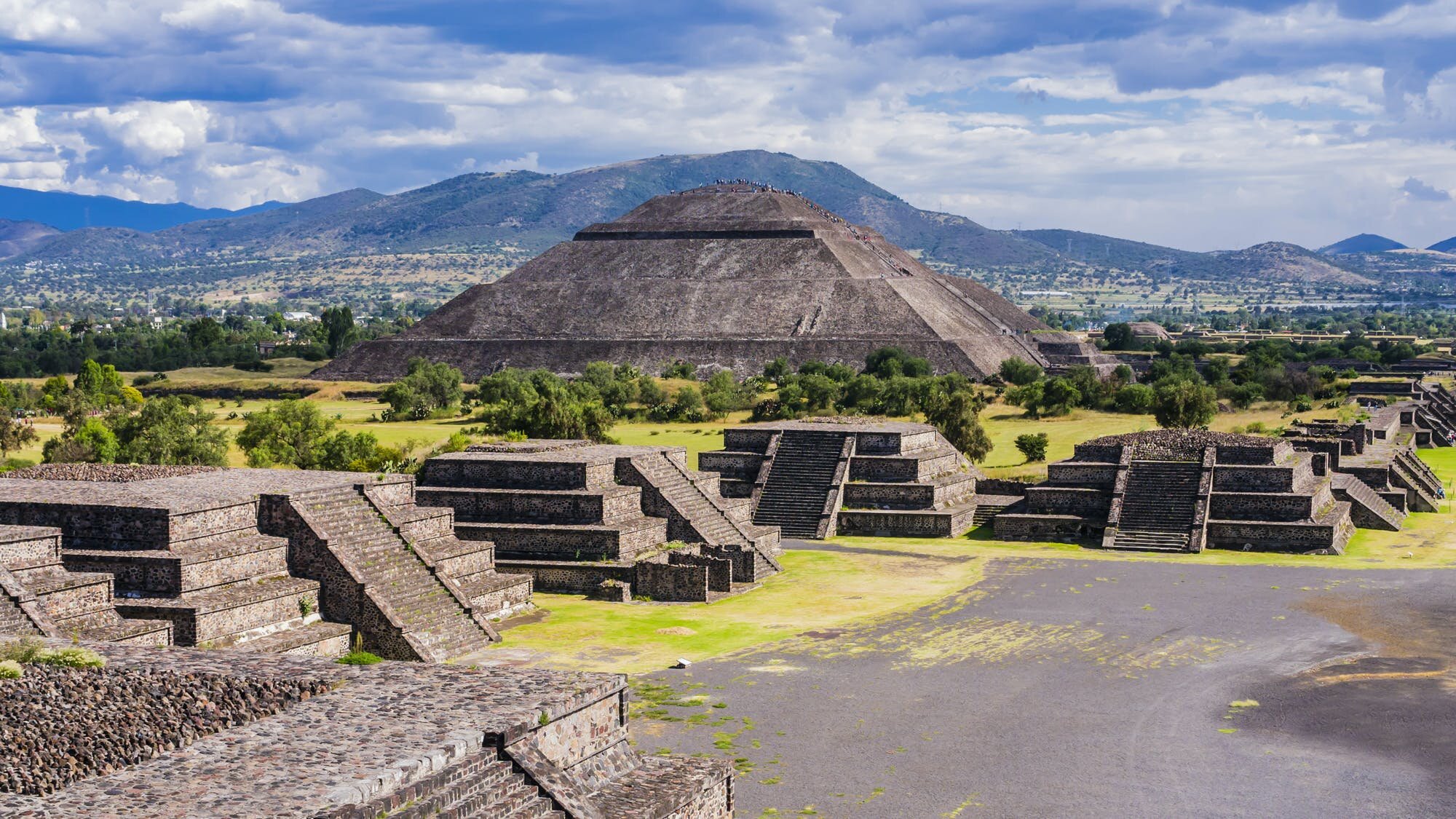
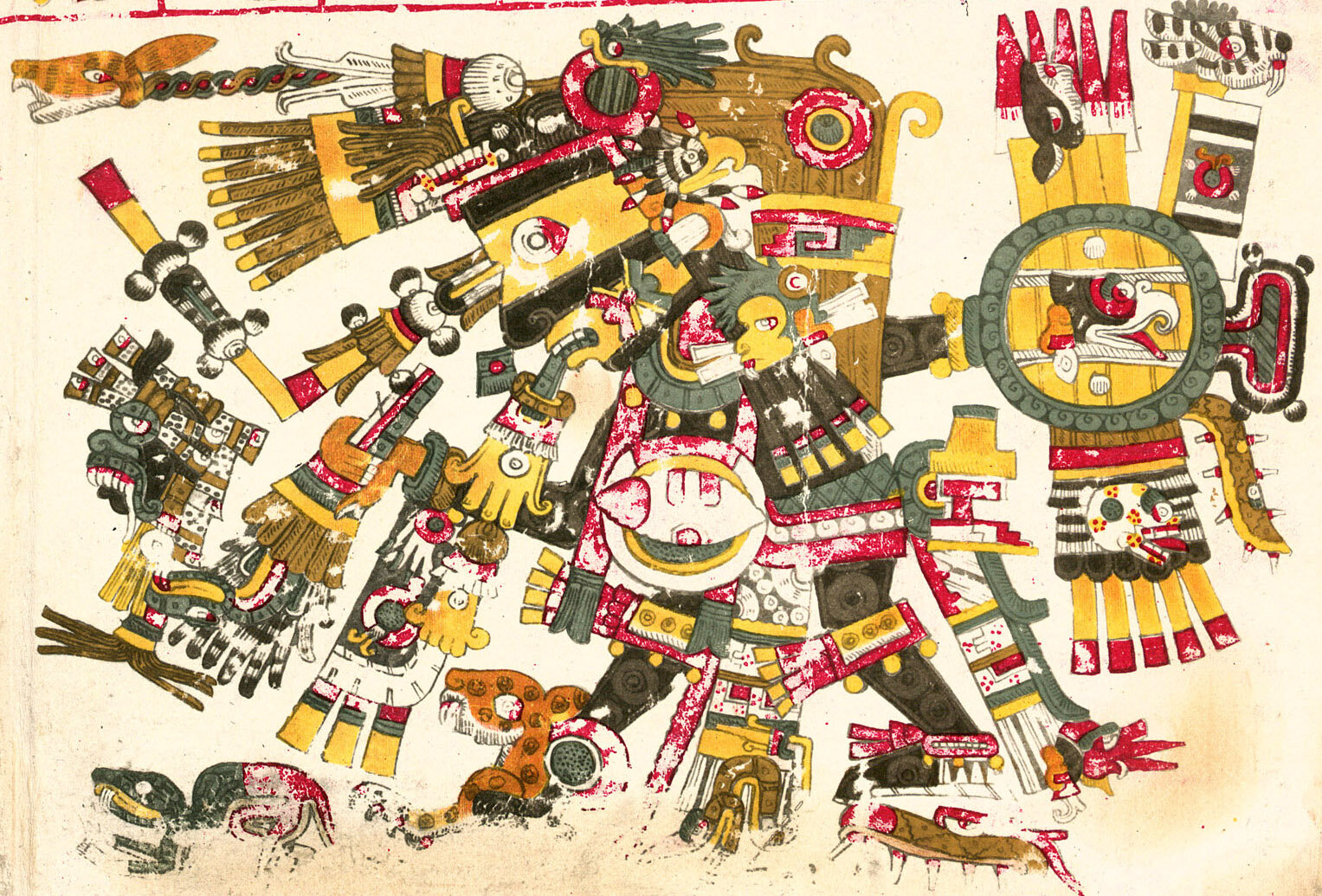
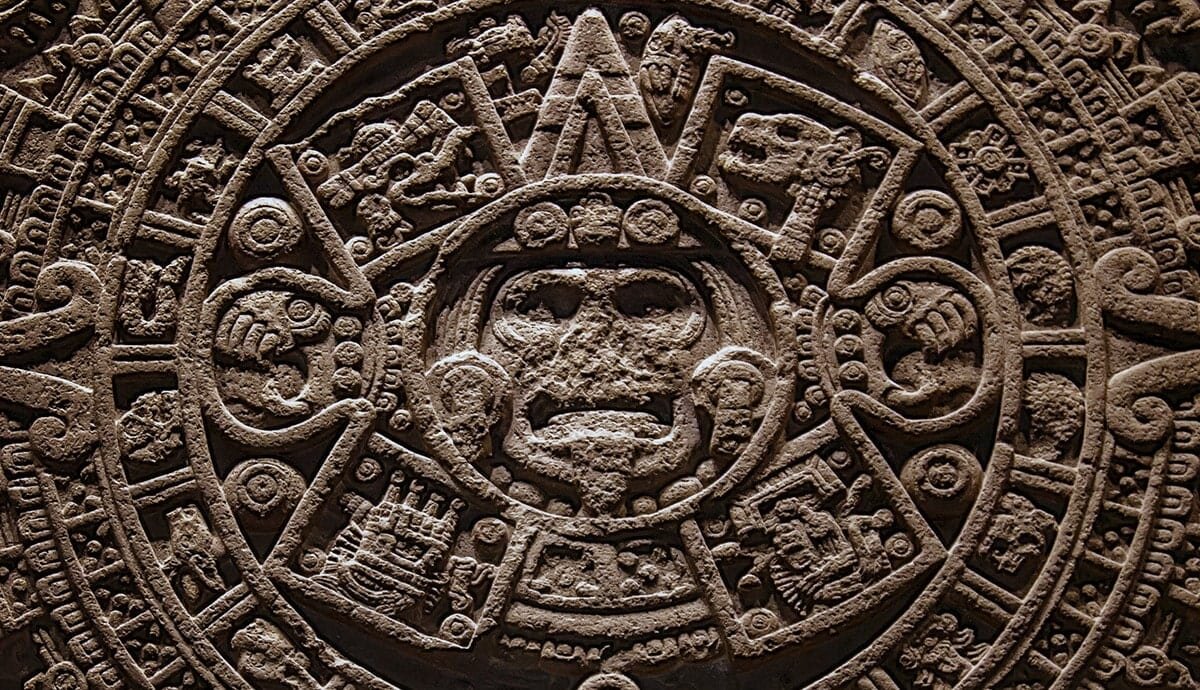
This post aims to document some of the key discussion points from my initial research into ancient Mesoamerican culture. After deciding to pursue our graduate film as ’The Pantheon,’ one of the most important steps would be to establish a basic understanding and grasp of the subject area. With this post, I’m discussing my initial research into Aztec culture and mythology, and a few potential narrative ideas to explore.
Flourishing in central Mexico in the post-classic period between 1300 and 1521, the Aztec empire comprised of three city-states: Tenochtitlan, Texcoco, and Tlacopan. The Aztec civilization included different ethnic groups of central Mexico, often groups speaking the Nahuatl language. Their society had a rich culture and appreciation for art and sports, with sports players being similar to celebrities with status and power. Art was heavy with religious influence and symbolism, and music included a vast range of sacred hymns, afterlife songs, and music reflecting everyday life. While human sacrifice was a significant element to their religious beliefs, the Aztecs were a civilized society with everyday life reflecting ours today: relationships, shopping, music, poetry, and entertainment were all prevalent during this time.
Aztec life revolved around religion, calendar cycles, and essential rituals believed to keep nature and the world at balance by appeasing the gods. The Aztecs followed a ‘polytheistic’ religion in which different gods possess unique powers, abilities, and significance to everyday life. Aztecs believed that the world was created by the major Aztec gods Tezcatlipoca, Xipe Totec, Huitzilopochtli, and Quetzalcoatl. After four failed attempts to create the earth, the gods created humans that respected the gods and the land. The creation story itself could be an epic animated narrative, or telling one aspect of the myth, as the four gods take on the Cthulhu-esque crocodile demon Cipactli that threatens the universe. There have also been references to smaller creatures reminiscent of the beast throughout Aztec mythology; perhaps we follow Aztec warriors battling against monsters and demons from destroyed worlds? In some creation myths, the earth sits atop of the afore-mentioned Cipactli, a large crocodile-monster. Her tail reaches down to the Aztec underworld, Mictlán.
Mictlán is made of nine Aztec underworlds and ruled by the god of the dead Mictlāntēcutli. One of the principal gods of the Aztecs, he was depicted as a blood-spattered skeleton with eyeballs. Often depicted wearing owl feathers, he wore a necklace of ‘human eyeballs’. With his wife Mictecacihuatl and Xolotl, a giant demon dog, they wait to receive the offerings and goods the newly deceased bring after embarking on the long and dangerous journey to the underworld. As a potential narrative, I felt that exploring these figures as core protagonists, or exploring the Aztec journey to the underworld would be exciting to a Western audience.
Another aspect of Aztec mythology to explore could be the Quinametzin, a race of violent giants eradicated during the cycle of the first world. These giants were the first beings that inherited the earth, built great cities, and respected the gods - but were hunted by Tezcatlipoca and his jaguars. The legend goes that there are a few survivors who have buried themselves beneath the vaults of the vast temples of Teotihuacan and other Aztec cities, waiting to re-awaken when the time is right. The idea of a banished Aztec warrior and lone jaguar companion stumbling upon one of the sleeping giants could make for a compelling narrative, as they form an unlikely nomadic team trying to survive in the Aztec world.
From this initial research into Aztec culture and mythology, I can already see an abundance of compelling stories and legends to explore and adapt to an animated production. Next, I will delve into legends and history of the ancient Maya, developing a narrative mind map of the potential story threads and ideas in preparation for our second pitch deck.
References:
https://www.thecollector.com/aztec-calendar/
http://www.aztec-history.com/aztec-creation-story.html
https://aztecsandtenochtitlan.com/aztec-civilisation/aztec-culture/
Miller, Mary; Karl Taube (2003). An Illustrated Dictionary of the Gods and Symbols of Ancient Mexico and the Maya
Native Mesoamerican Spirituality: Ancient Myths, Discourses, Stories, Hymns, Poems, from the Aztec, Yucatec, Quiche-Maya, and other sacred traditions
Misunderstood Moments in History - Rise of the Aztec Empire
https://www.youtube.com/watch?v=8a8SkSYtHXo
‘Digital scans of the Codex Borgianus as produced by the Vatican’
https://digi.vatlib.it/view/MSS_Borg.mess.1