
Initial Research into Maya Mythology & Culture
Having delved briefly into Aztec mythology and culture, I aim to discuss the Ancient Maya and my initial research findings after exploring a few of the legends and culturally-significant aspects of this civilization. Commonly interchanged with Aztec imagery and cultural ideas in Western media, I need to recognize my lack of understanding. Having completed some brief research, I feel much more confident in pursuing this further, discussing some compelling legends and narrative ideas.
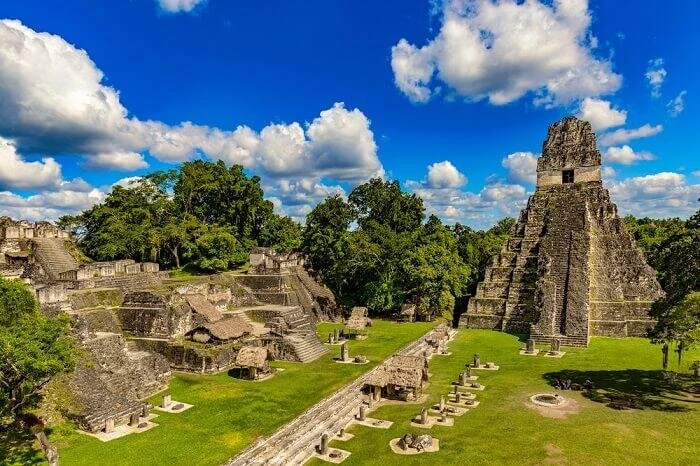
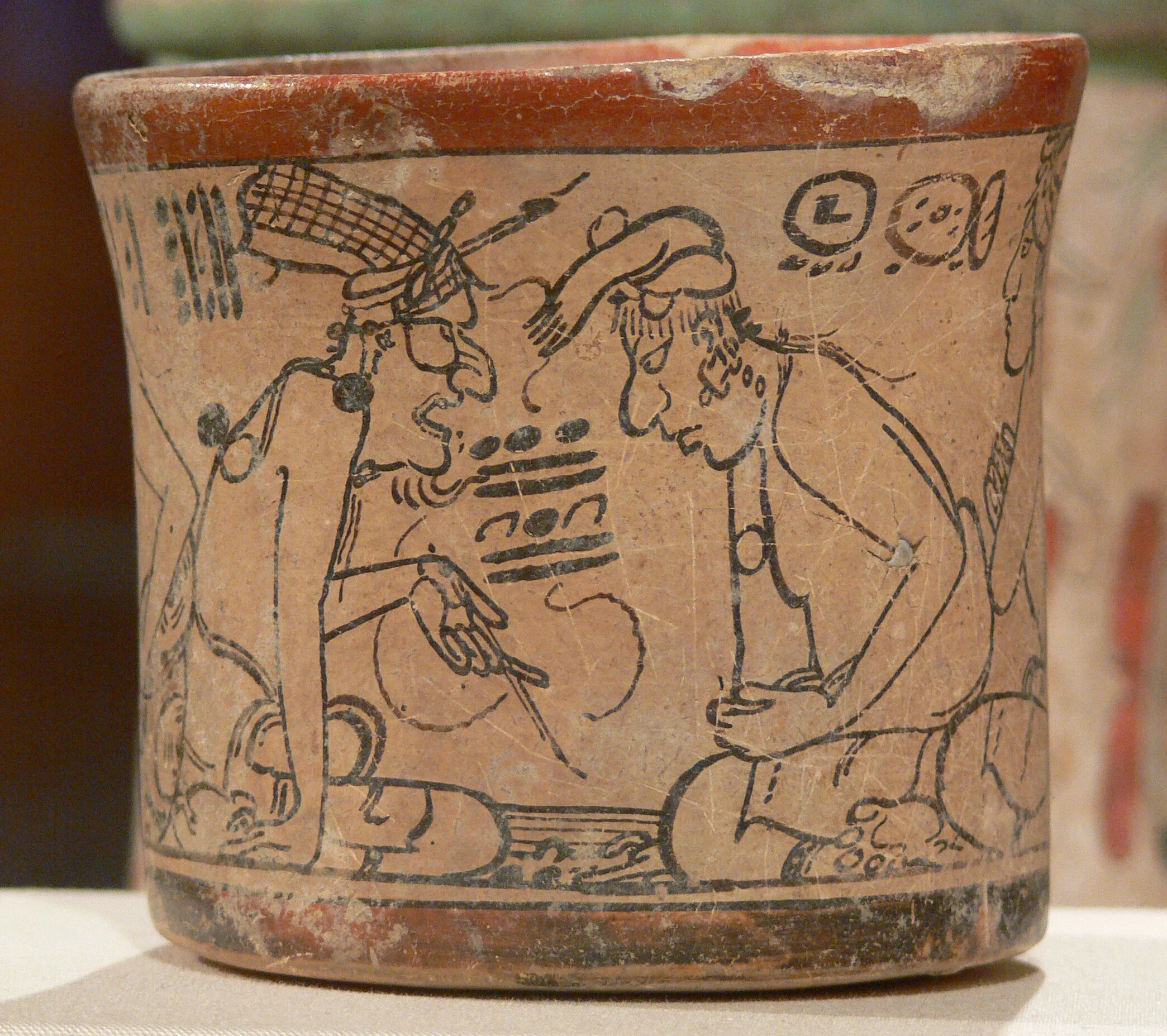
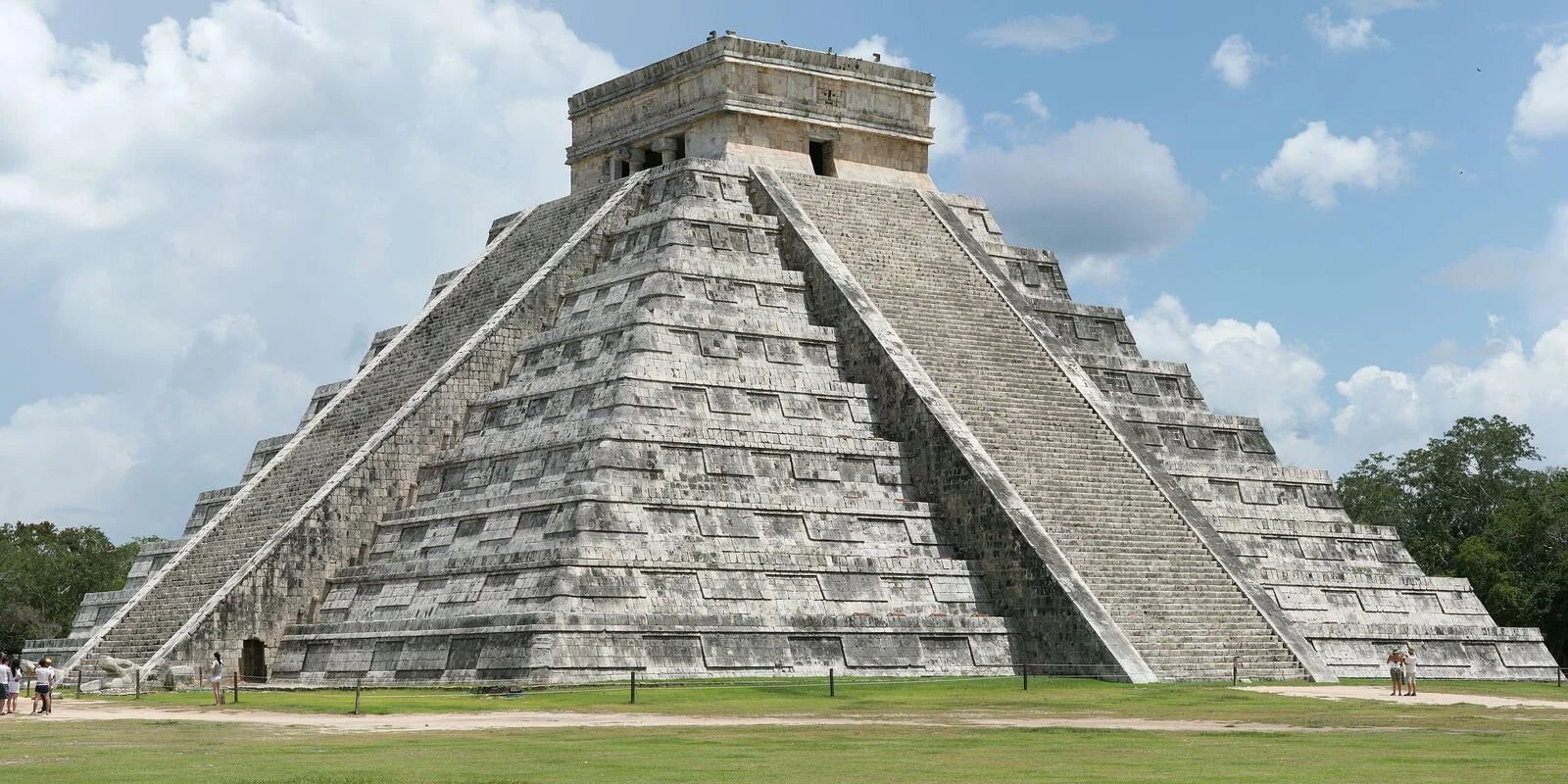
One of the most ‘dominant indigenous societies’ of Mesoamerica, the Maya excelled at agriculture, hieroglyph writing, and mathematics, developing the concept of zero. Based on one ‘geographical block’ covering the Yucatan Peninsula and modern-day Guatemala, Belize, and Tabasco, alongside western states of Honduras and El Salvador, the Maya had an accurate calendar system used to guide the agricultural cycles. The golden age of the Maya would be between A.D 250 and 900, known by archeologists as the Classic Period, as numerous Maya cities flourished throughout Central America. Reaching intellectual and artistic heights that most of Europe could ‘not match at the time,’ the Maya refers to a modern-day people who can be found all over the world, and their ancestors who built the ancient civilization that I’m discussing here. While warfare was frequent, the Maya had a large population, a flourishing economy, and art community, perhaps best known for their impressive architecture and symbolic ‘codex’ vases.
Upon my research, I discovered the ‘Popol Vuh,’ describing creation, tales of the Hero Twins, and Maya land rights. Myth and legends are concepts not found in Maya languages, and so the writings of the Popol Vuh are believed to be accurate depictions of ancient Maya history. Translating directly as ‘Community Book,’ I was immediately drawn to the stories depicted in the Popol Vuh, most notably the tales of the Hero Twins, Hunahpu and Xblanque.
As epic in scale and grandeur as any biblical narrative imaginable, the Popol Vuh describes the Death Lords of the Underworld summoning the Hero Twins to play a momentous ball game. The brothers defeat their opponents after facing a series of fierce trials in Xibalba, the Maya underworld. After battling the sinister Underworld Lords, the twins rise into the heavens and become the Sun and the Moon in some interpretations. Exact translations and depictions of each cycle of the Popol Vuh vary, with some sources describing it as a battle, dance, and some as a sacrificial version of the classic Mesoamerican ballgame.
The oldest Maya myth preserved in its entirety, the story of the Hero Twins, immediately caught my attention. Upon doing so, I found a wealth of narrative details and potential for further exploring the Hero Twins, most known for two significant ‘episodes’ of the Popol Vuh. One describes the generational plight of the Hero Twins against the afore-mentioned Xibalban lords, as the heroes avenge their fallen father and uncle before them - and the defeat of Seven Macaw, a giant bird demon claiming to be a God. The brothers find Seven Macaw complete with worshippers, having built somewhat of a cult with a race of small wooden men who first inherited the Earth. The twins manage to take down the false god with a blowgun, and rip out his golden eyes and jewelry, fit for a lord.
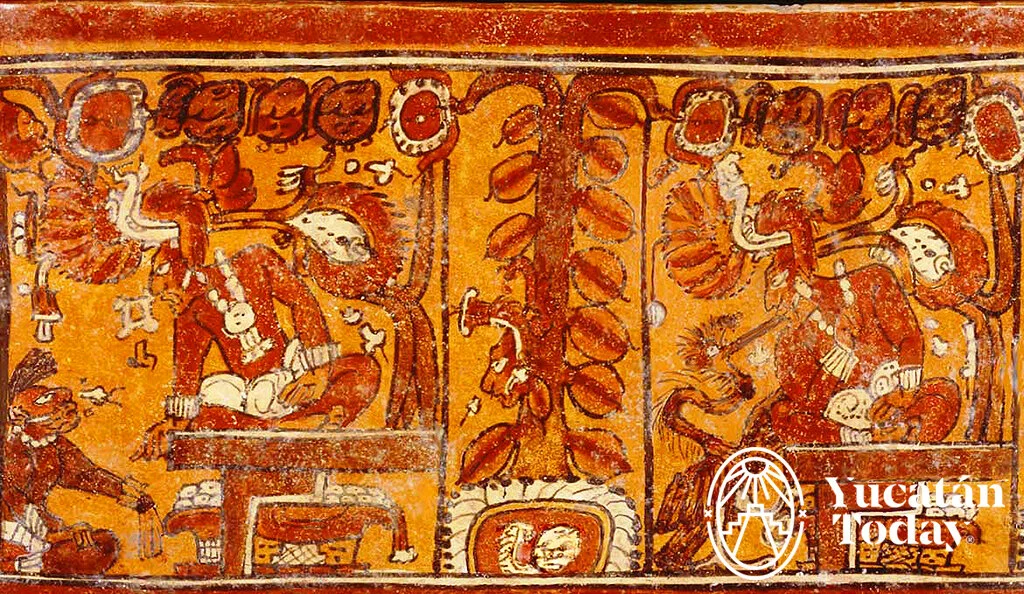
Following a similar creation narrative to Aztec mythology, the Popol Vuh describes several efforts at creation. First were animals, then wet clay, wooden manikins (that would later survive to worship Seven Macaw), and finally the creation of the first human ancestors from ‘maize dough.’ There are other creation myths, however, most notably of the Monkey Brothers. Depicted as Howler Monkey gods, these are two brothers shown writing books and sculpting human heads on several vases. These images would represent the creation of human beings, in both a hieroglyphic and metaphorical sense.
While the Maya creation myth has some compelling elements, I was most excited at the prospect of exploring the legend of the Hero Twins. There is a wealth of fascinating and engaging stories to explore further and adapt to an animated production, as discussed in the earlier pitch. With this research and new understanding, I have been able to develop the narrative mind map in preparation for the second pitch deck. From this, I’ve explored a series of potential story points from both Aztec and Maya legend, with my most persuasive concept pitch being the adventures of the Hero Twins. Representing an aspect of Maya mythology and culture relatively untouched by Western media and our initial ideas for the project so far, I feel this has real potential in humanizing these legendary icons and bringing a Western audience into ancient Maya society at an approachable and relatable level.
References
https://www.ancient-origins.net/human-origins-folklore/maya-myth-creation-0063
https://www.history.com/topics/ancient-americas/maya
https://www.historymuseum.ca/cmc/exhibitions/civil/maya/mminteng.html#menu
Taube, Karl (1997). Aztec and Maya Myths (The Legendary Past)
https://yucatantoday.com/popol-vuh/?lang=en