
Popul Vuh: The Creation Myth of the Maya (1989)
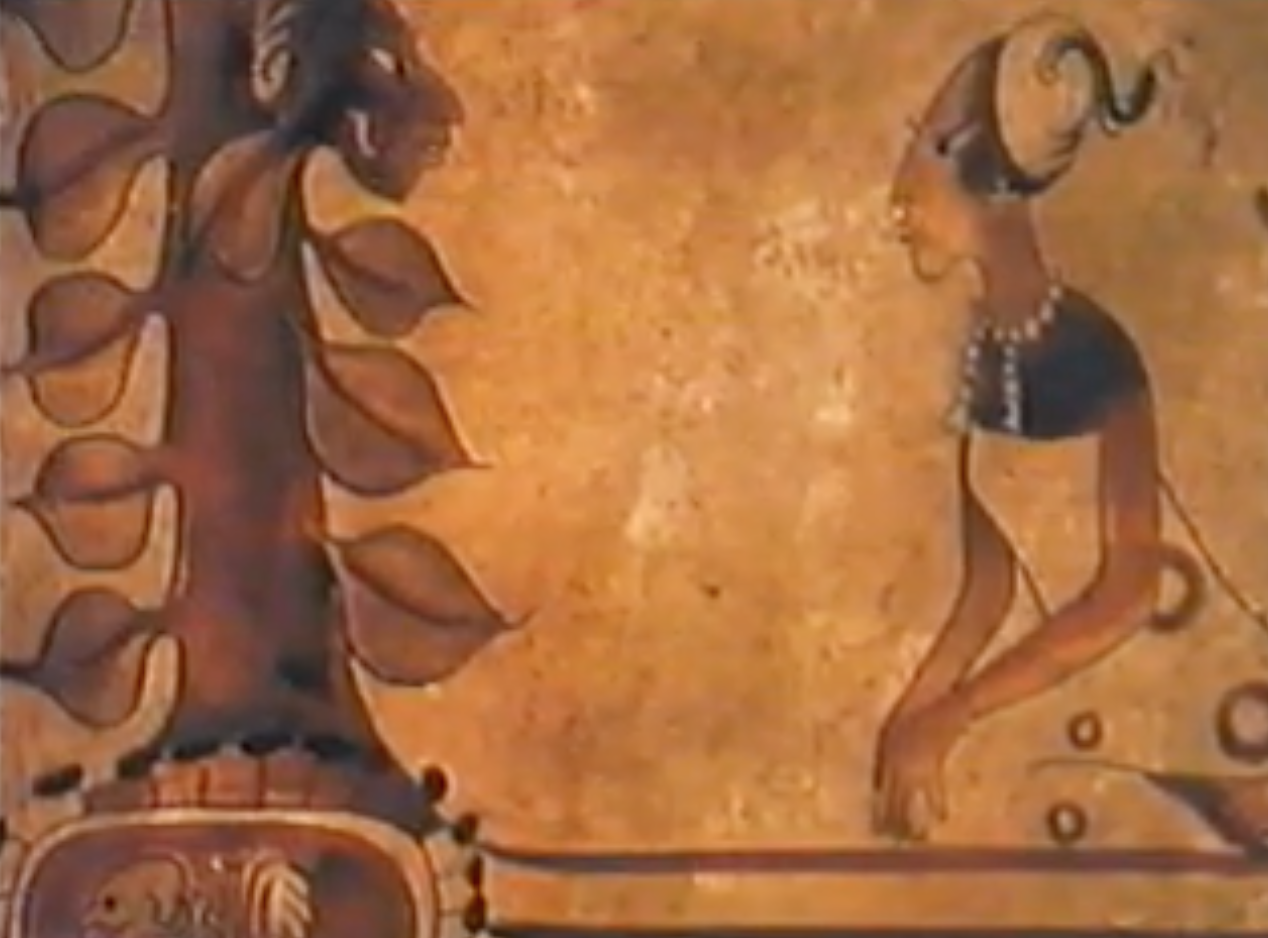
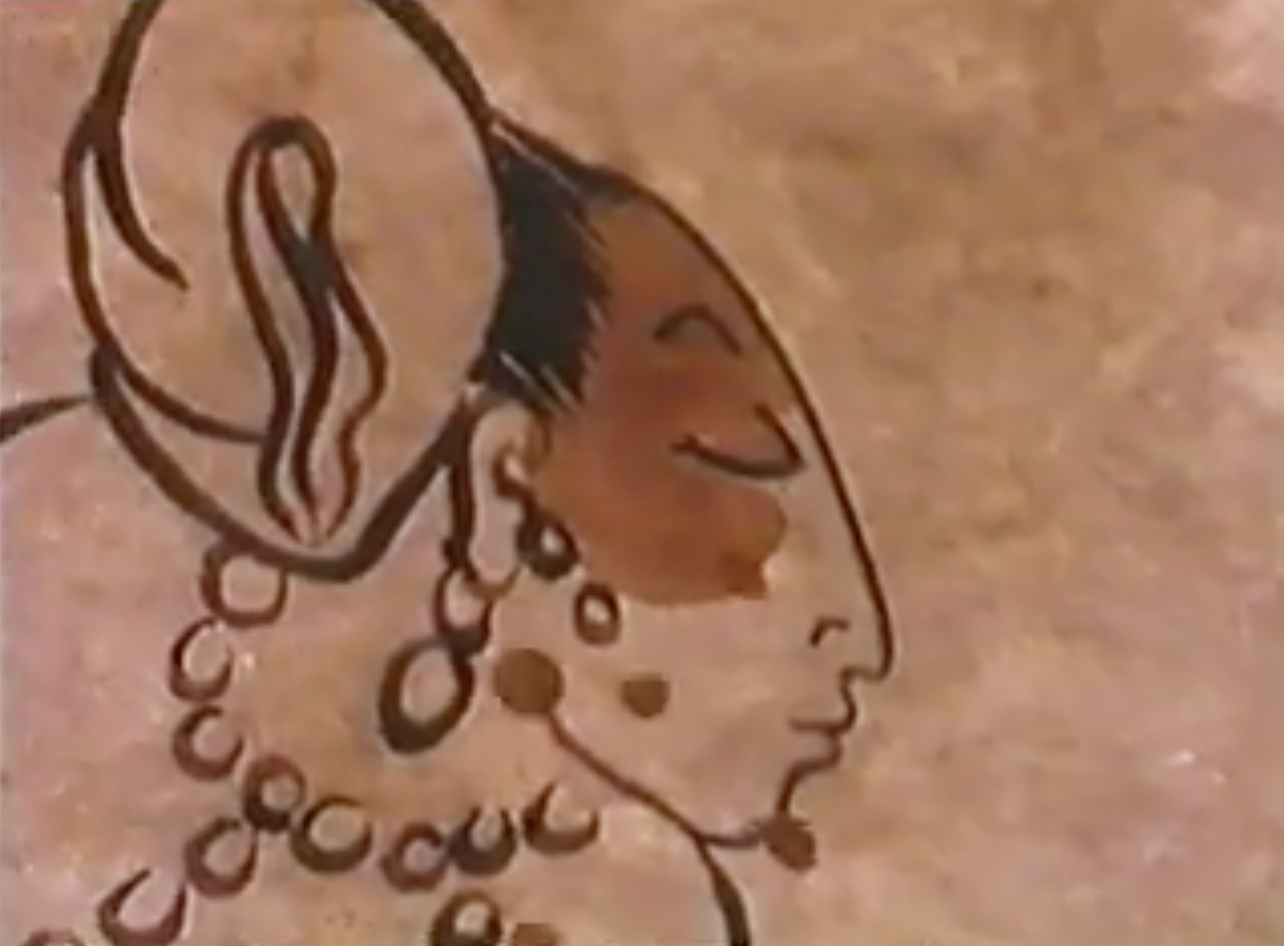
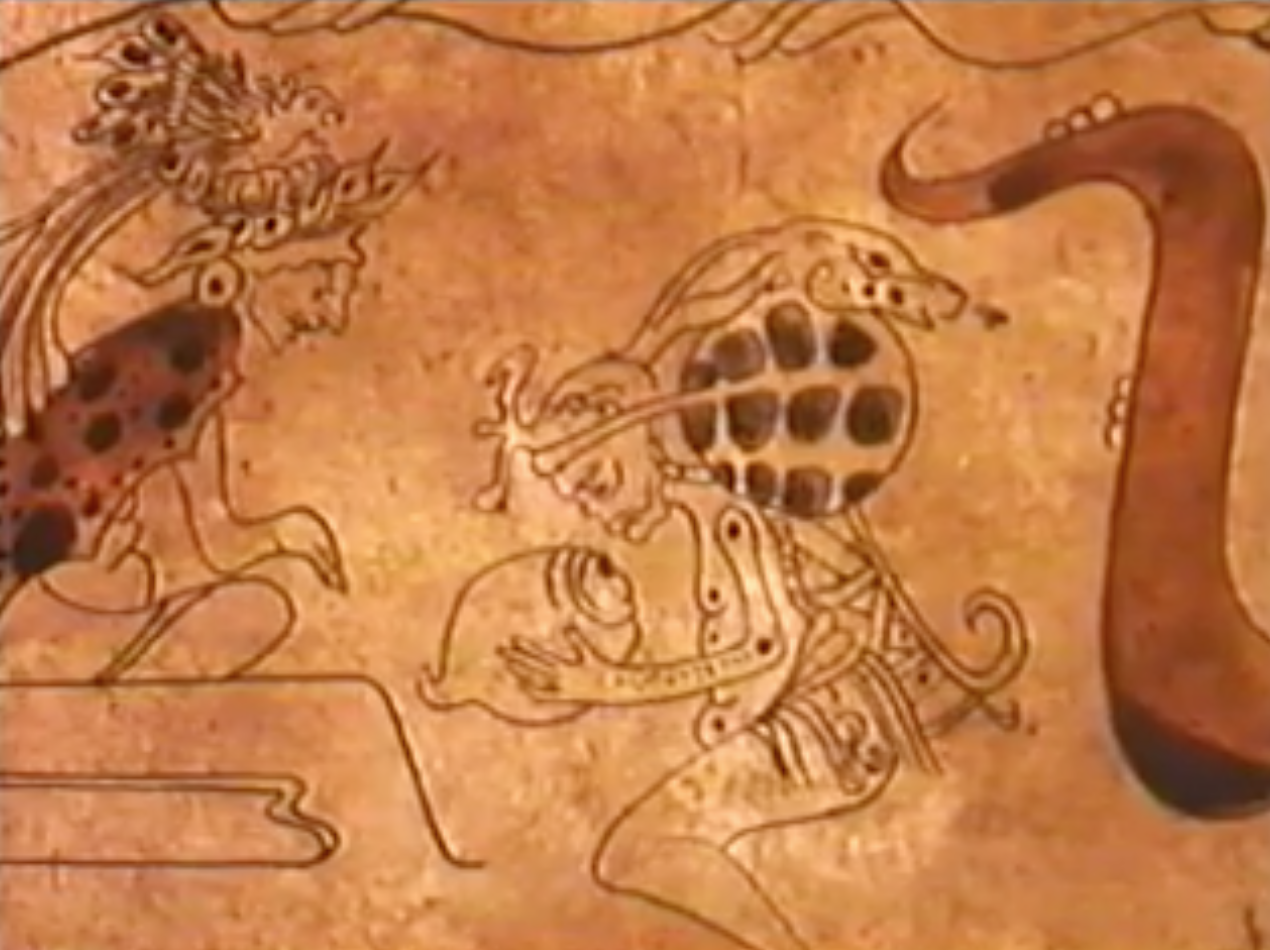
From reaching out via email, the first response we received was from archeologist and renowned Mayanist scholar Stephen Houston, who provided us with two key sources of reference and research to delve further into. The first of which was ‘Popol Vuh: The Creation Myth of the Maya’, released in 1989. This is an animated film by director Patricia Amlin, and works with actual imagery from ancient Maya ceramics and pottery to adapt the Popol Vuh, the Maya creation myth. Similar to epic biblical tales in it’s scope and themes of creation, conflict and rebirth, this film is highly revered by the Maya community and hopes to represent an authentic depiction of the classic text.
Whilst this is a respected film and an animated touchstone, Stephen mentions how the film actually blurs depictions of the Hero Twins from the Classic Period with those appearing much later in the Popol Vuh, which is ‘jarring and wrong’. Despite this, the film depicts the brothers in a similar manner to how they are presented in ancient Maya mythology and tells of their legendary intergenerational plight against the Underworld Lords. Translated to mean ‘book of the community’, this animated depiction of the Popol Vuh depicts these narratives that represent the origin of many beliefs, religions and myths that were held throughout North America.
As an initial source of research on the Hero Twins’ epic narrative, we made sure to examine the film and develop some key notes from the project’s depiction of the brothers. An engaging if expositional film, this hour-long adaptation of the Popol Vuh uses Maya codex art and pottery paintings to piece together the sacred text of the Maya in film, largely to great success. The film features a personal narration of the events from Larry George of the Yakama Nation, and 2D assemblage animation to bring these ancient illustrations to life with music from Maya communities. Despite this, there are areas where I felt the average listener would lose interest and feel this is mostly up the structure and pacing of the film.
In true biblical fashion, the film follows a simple narrative structure with characters completing one action, and then another action, et cetera. Perhaps the most influential and important aspect from this film would be the focus on the Hero Twins, Hunahpu and Xblanque as they represent the core protagonists of the film and their adventures against Xibalban lords seemingly holds the emotional and epic crux of the narrative. The film lays out the relationships between these characters plainly, with entirely no nuance and instead telling the story of these brothers delving into the Underworld. Whilst this results in a somewhat wooden presentation and overall narrative concept, the film still manages to present it’s central characters and themes in an engaging manner, and I ultimately found several interesting narrative ideas to consider for our own film.
Perhaps the most important and influential aspect of the film would be the focus on the relationship between the Hero Twins, and their destiny as heroes. Simply taken at face-value, we both felt there was an inherent appeal to this concept which would resonate with a Western audience, with heroes learning of their important lineage already populating Western media. Alongside this, the film delves into the life and story of the twins’ mother, Little Blood. Sentenced to death by her Underworld Lord father after conceiving a child, it could be an interesting alternative direction to explore the character of Little Blood, witnessing the death of One Hunahpu, escaping Xibalba and various demons and climbing up to Earth. A hero in her own right, this seems to be a rather integral aspect of the Hero Twin’s legend which often goes overlooked in adaptations.
Additionally, I feel we undervalued the importance and significance of the Mesoamerican ball game in the story of the Hero Twins. Another integral aspect of the legend, this links the two generations with a common interest and talent, which ultimately plunges both twins into Xibalba, after waking the fierce Underworld Lords. As an initial response to the film and the various sources we’ve had the chance to explore, it seems like this is a consistent part of the legend. A final interesting takeaway would be the introduction of shapeshifting Owl demon disciples that do the Underworld Lords’ bidding, not only summoning the brothers down to Xibalba, but also represent visually rich creature design and animation potential.
From the provided film and this brief analysis, we’ve already developed a better understanding of the Hero Twins legend and key aspects to potentially include in an animated adaptation. Next, I plan to briefly discuss the second provided source, a document detailing the various exploits of the Hero Twins through ancient Maya images and narratives. Whilst Mayanist scholar and expert Stephen Houston has ultimately declined to be onboard for a larger role, the sources he has provided here are a valuable asset to our initial researching stages and I look forward to any more responses moving forward.
Reference:
Popul Vuh: The Creation Myth of the Maya (1989)
https://www.youtube.com/watch?v=FHSOGryN-DA